
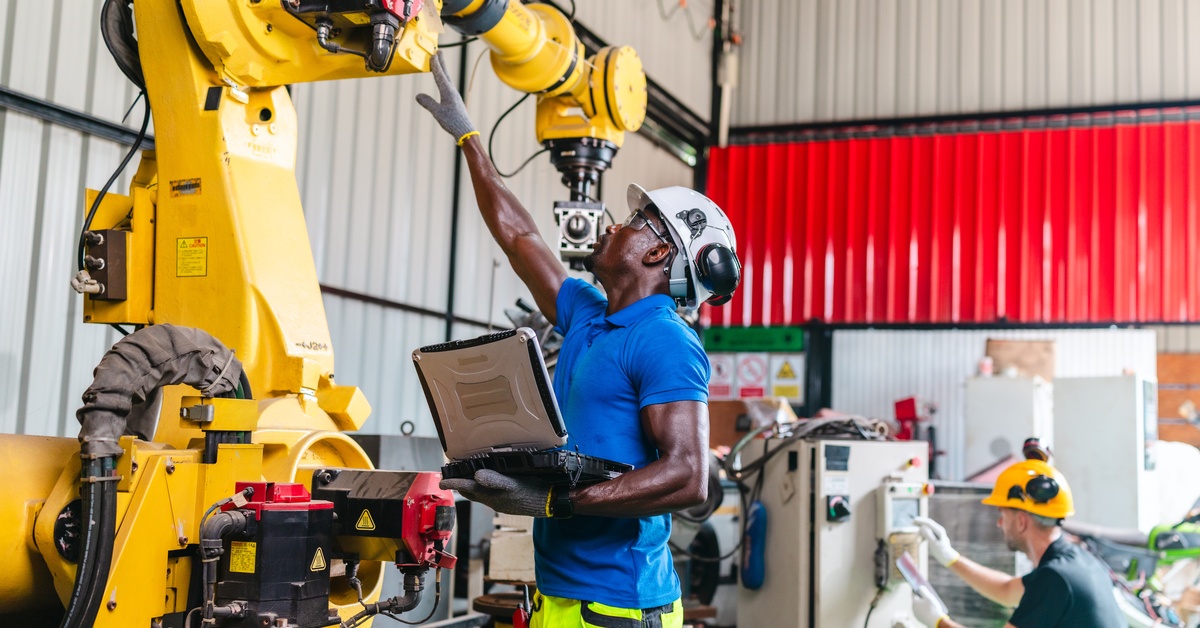
Fastener installation plays a critical role in modern manufacturing, where speed and consistency directly affect production outcomes. Companies across industries continue to adopt automation to improve assembly processes and meet increasing production demands.
Automated fastening equipment eliminates many of the challenges associated with manual installation while supporting higher throughput. There are many benefits of automation in fastener installation, including helping manufacturers achieve reliable results through engineered automation. Let’s take a closer look at some benefits of automation.
Increased Production Speed
One of the most significant benefits of automation in fastener installation is faster assembly. Automated systems deliver fasteners continuously without interruptions that often occur during manual handling. Operators spend less time retrieving hardware and more time focusing on overall production objectives. Manufacturers increase output while maintaining consistent installation quality throughout every production shift.
Automated fastening equipment also reduces cycle times across assembly lines. Fastener feeding systems position components quickly and accurately for immediate installation. Production teams complete more assemblies within the same operating window. Faster throughput helps manufacturers meet customer deadlines and respond efficiently to changing market demands.
Improved Installation Accuracy
Accuracy remains essential in any fastening application because improper installation can lead to product failures and costly rework. Automated systems apply controlled torque and installation parameters during every fastening cycle. Consistent performance minimizes variation and ensures each fastener meets engineering specifications. Manufacturers gain confidence that assemblies leave the production line correctly installed.
Advanced automation also reduces alignment errors that commonly occur with manual processes. Automated equipment guides fasteners into the correct position before installation begins. This precise placement prevents cross-threading, stripping, and other assembly defects. Better accuracy directly improves product quality and long-term reliability.
Enhanced Product Quality
Quality standards continue to rise across manufacturing industries, making consistent assembly performance more important than ever. Automated fastening systems support repeatable installation results regardless of production volume.
Every assembly receives the same level of precision and control throughout the manufacturing process. Consistency helps companies maintain strict quality requirements across all product lines.
Automated equipment also generates fewer installation defects than manual methods. Reduced variability creates stronger assemblies and lowers the likelihood of warranty claims. Manufacturers protect their reputation by delivering products that perform as intended. Better-quality outcomes often translate into higher customer satisfaction and retention.
Reduced Labor Demands
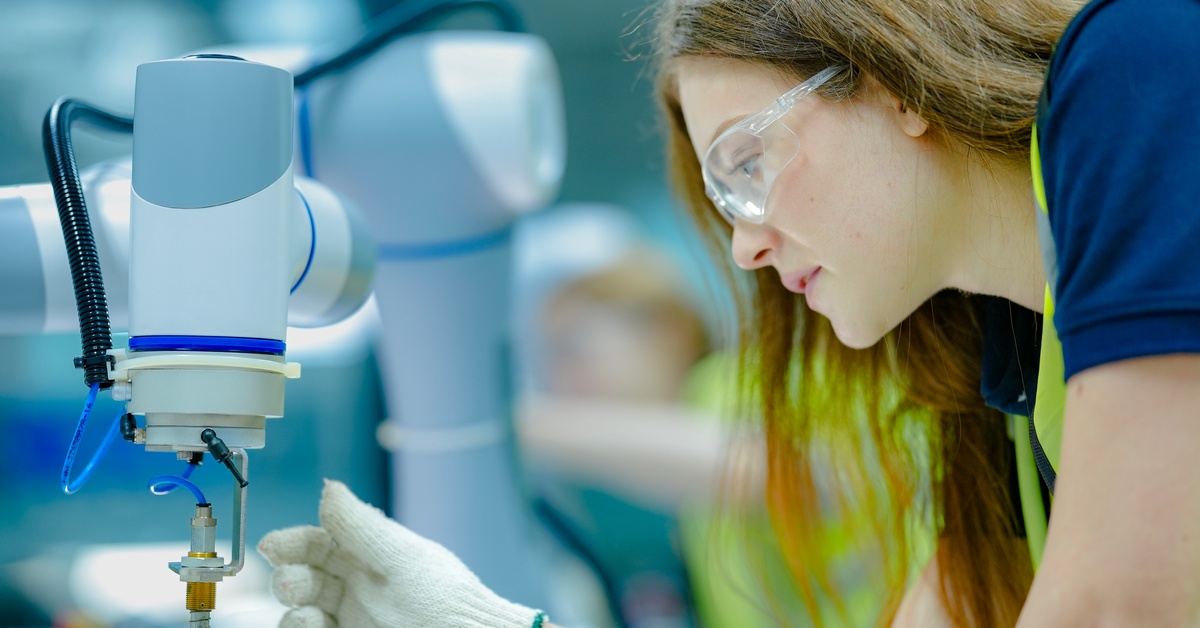
Manufacturing facilities frequently face labor shortages and increasing pressure to maximize workforce efficiency. Automation reduces dependence on repetitive manual fastening tasks that require significant operator involvement.
Employees can shift their attention toward higher-value responsibilities that support overall production goals. This approach improves workforce utilization while maintaining steady assembly output.
Automation also simplifies training requirements for fastening operations. Operators spend less time mastering complex installation techniques because automated equipment handles critical fastening functions. Production teams achieve consistent results with greater efficiency. Manufacturers benefit from improved productivity without increasing labor requirements.
Key Workforce Advantages of Automated Fastening
- Reduces repetitive manual tasks
- Improves workforce efficiency
- Simplifies operator training
- Minimizes production bottlenecks
- Supports consistent assembly performance
- Allows personnel to focus on higher-value work
Better Workplace Safety
Manual fastening operations can expose workers to repetitive motion injuries and physical strain. Frequent handling of tools and fasteners places stress on hands, wrists, and shoulders throughout a workday. Automated equipment reduces these repetitive activities and creates a safer working environment. Employees experience less fatigue while maintaining productive performance levels.
Automation also improves workplace organization by reducing clutter associated with loose fasteners and manual handling processes. Integrated feeding systems deliver components directly to the point of installation. Cleaner work areas help reduce trip hazards and improve operational efficiency. Safer environments contribute to stronger employee morale and long-term workforce stability.
Lower Operating Costs
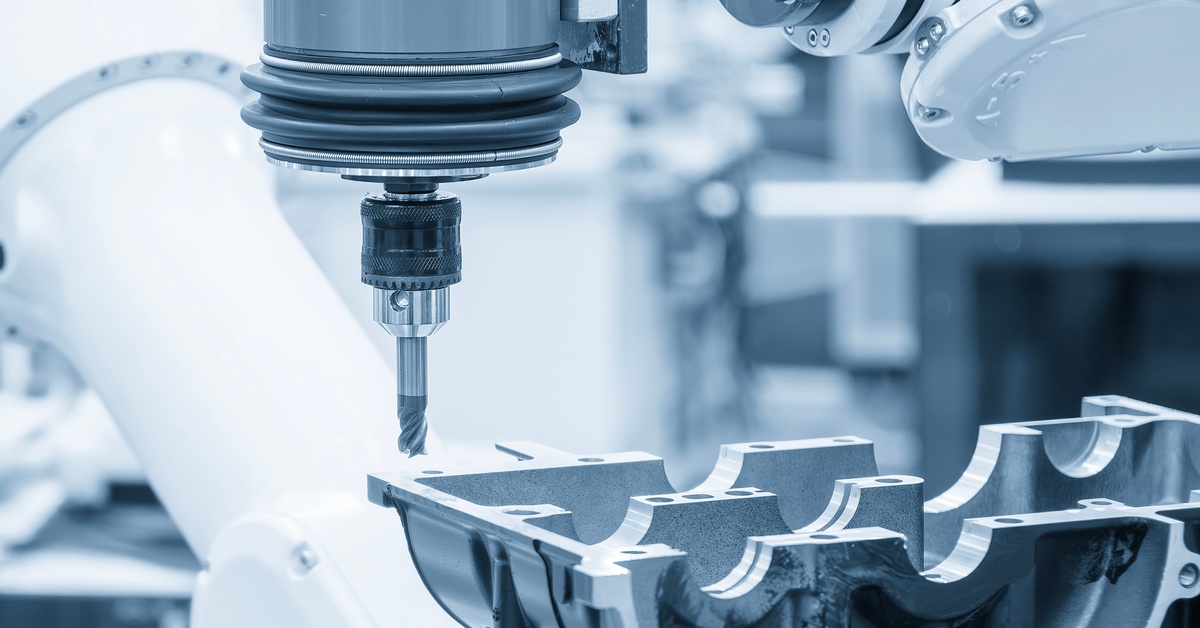
Although automation requires an initial investment, many manufacturers achieve substantial long-term cost savings. Faster production rates allow facilities to produce more units without increasing labor expenses. Reduced defects, minimized material waste, and lowered rework costs. These efficiencies contribute directly to improved profitability over time.
Automated systems also help manufacturers optimize resource utilization across production operations. Consistent fastening performance reduces the likelihood of assembly failures that require additional labor and materials. Predictable processes support better production planning and cost control. Organizations often realize measurable returns on investment through improved operational efficiency.
Greater Process Consistency
Consistency remains one of the primary reasons manufacturers invest in automation. Manual fastening methods often produce variations due to differences in operator technique, fatigue, or experience levels. Automated systems apply the same installation parameters during every fastening cycle. This repeatability creates dependable assembly results regardless of production volume.
Process consistency becomes especially valuable for industries with strict quality and compliance requirements. Manufacturers must demonstrate that products meet established specifications on a regular basis. Automated fastening equipment supports this objective through controlled and repeatable performance. Reliable processes reduce uncertainty throughout production operations.
Improved Scalability for Growth
As production demands increase, manufacturers need systems that can scale efficiently without sacrificing quality. Automated fastening solutions allow facilities to expand output while maintaining consistent assembly performance.
Additional production capacity becomes easier to achieve when fastening operations operate with predictable efficiency. Companies gain flexibility to respond to market opportunities and customer growth.
Scalable automation also supports future manufacturing initiatives. Businesses can integrate new products and assembly requirements without completely redesigning fastening operations. Flexible equipment adapts to changing production needs while preserving operational consistency. This adaptability provides long-term value for growing organizations.
Advanced Technology Integration
Modern manufacturing environments increasingly rely on connected technologies and data-driven decision-making. Automated fastening systems integrate with production equipment to support streamlined operations and improved visibility. Real-time process monitoring allows manufacturers to identify issues quickly and maintain optimal performance levels. Better information leads to more informed operational decisions.
Many facilities also incorporate robotic screwdriving systems as part of broader automation strategies. These solutions combine precision fastening with advanced manufacturing workflows to improve efficiency and consistency.
Integrated technologies support smarter production environments that align with modern industry expectations. Manufacturers gain a competitive advantage through enhanced process control and operational insight.
Why Manufacturers Continue Investing in Automation
Automation in fastener installation delivers measurable benefits across nearly every aspect of manufacturing operations. Faster production, improved quality, greater consistency, and lower operating costs create compelling advantages for companies seeking long-term growth.
Automated fastening equipment also enhances workplace safety while helping manufacturers address workforce challenges. These combined benefits make automation an essential component of modern assembly operations.
Visumatic Industrial Products specializes in designing and building automated fastener feeding and driving equipment for manufacturing applications, including screws, nuts, and specialty fasteners. Every solution undergoes in-house design, fabrication, and testing to ensure dependable performance in demanding production environments.
Manufacturers seeking greater efficiency and reliability continue to turn to automation as a proven strategy for achieving assembly excellence. Contact us today to learn more about our automated systems and receive a quote for your facility.
 Handheld vs Robotic Screwdriving Systems Explained
  9 Key Advantages of Robotic Fastening Systems
  How Automatic Screwdrivers Improve Accuracy
  How Automation Reduces Labor Costs in Manufacturing
  How Robotic Screwdriving Improves Assembly Speed