
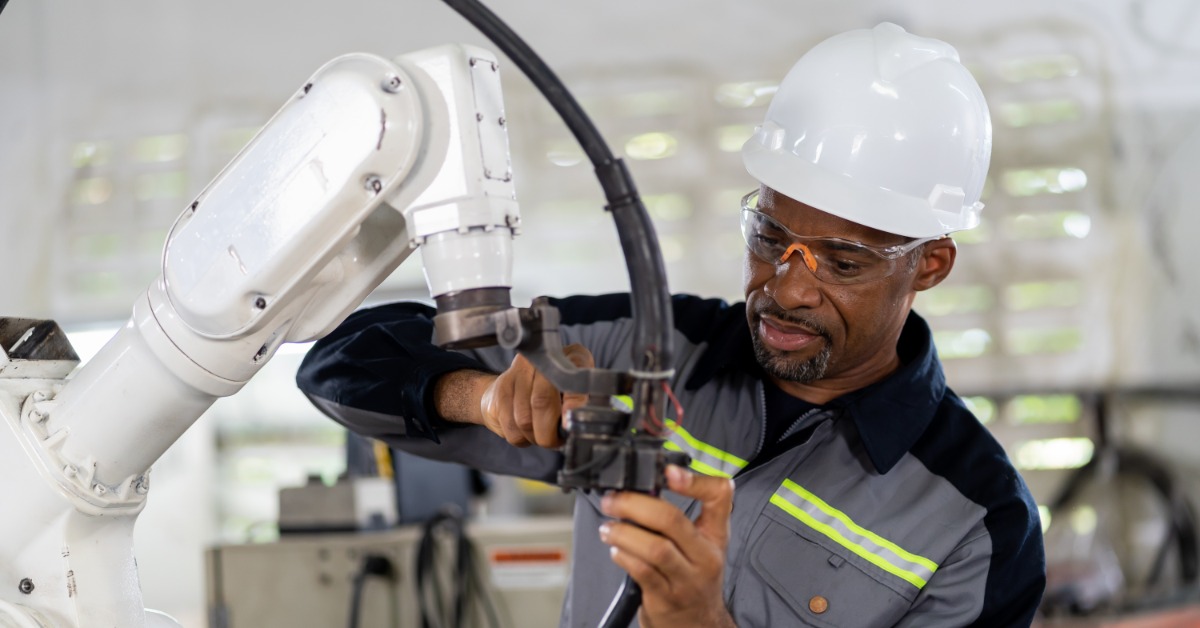
Even a small fastening error can cause major problems on a manufacturing floor. A screw that sits slightly crooked or receives incorrect torque can compromise product quality and interrupt an otherwise efficient assembly line. As manufacturers face increasing pressure to improve output without sacrificing accuracy, precision screwdriving offers a practical solution.
Precision screwdriving goes beyond simply tightening screws to a specified torque. It involves controlling fastening parameters, maintaining proper alignment, and ensuring that each connection meets engineering requirements.
For manufacturers handling high production volumes or complex assemblies, this level of control can make a significant difference. Understanding the benefits of precision screwdriving in production helps engineering teams identify opportunities to improve their manufacturing processes.
1. Improves Fastening Accuracy and Consistency
Consistent fastening results play an important role in maintaining product quality. Manual screwdriving introduces variability because operators may apply different pressure or position tools at slightly different angles. Even experienced technicians can experience fatigue during repetitive assembly tasks. Precision screwdriving systems eliminate these inconsistencies through controlled fastening.
Advanced screwdriving equipment regulates torque, rotational speed, and other important parameters throughout the fastening cycle. These controls help manufacturers achieve consistent results across hundreds or thousands of assemblies. Engineering teams can establish specific fastening requirements for different applications and maintain those standards throughout production.
Precision fastening also reduces the likelihood of cross-threading or damaging sensitive components. Proper tool alignment and controlled engagement help protect threaded connections during assembly. Manufacturers benefit from more reliable fastening performance and fewer variations between finished products.
2. Reduces Production Errors and Material Waste
Manufacturing errors create expenses that extend beyond replacing a damaged screw. Incorrect fastening can damage expensive components, interrupt production schedules, and require additional inspection time.
When these problems occur repeatedly, they can significantly increase operating costs. Precision screwdriving helps manufacturers address common fastening errors before they affect finished products.
Automated systems can monitor fastening parameters and identify irregularities during assembly. Depending on the equipment configuration, these systems can detect conditions such as insufficient torque or abnormal fastening behavior. Early detection lets production teams address problems before products move into additional manufacturing stages.
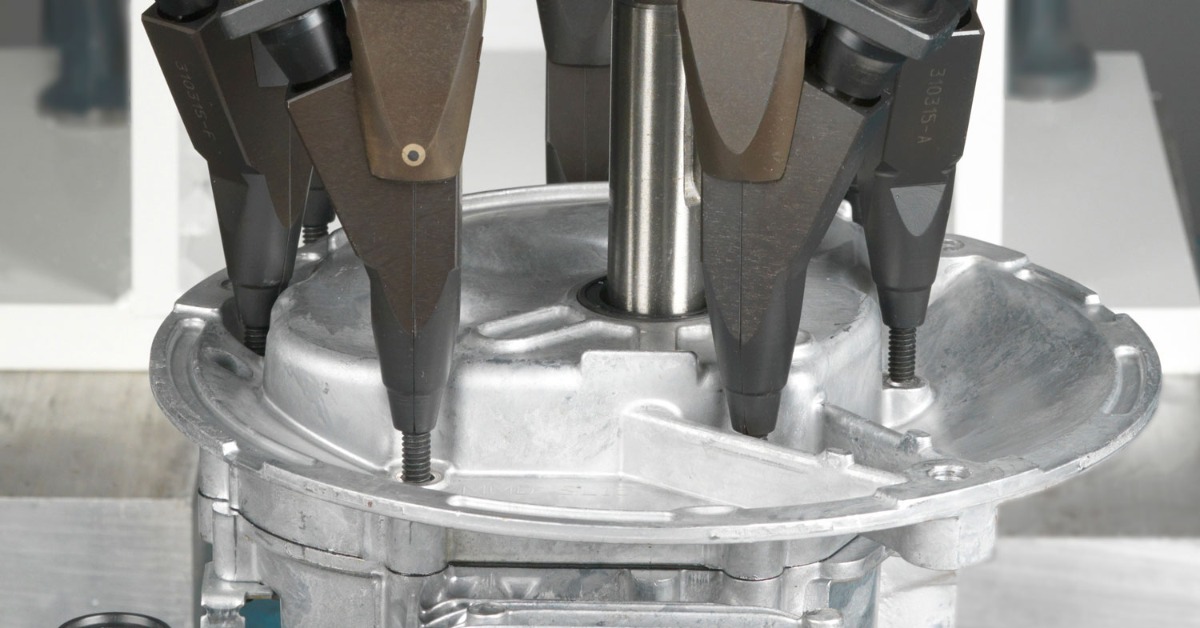
3. Increases Assembly Speed and Production Efficiency
Production efficiency depends on maintaining a steady workflow without compromising assembly requirements. Manual fastening often requires operators to retrieve screws, position them correctly, and complete each fastening cycle individually.
These repetitive movements consume valuable time, especially in high-volume manufacturing. Precision screwdriving equipment can streamline these operations with automatic screw feeders and controlled driving.
Several operational improvements contribute to faster assembly performance:
- Consistent cycle times: Controlled fastening sequences reduce variations between individual assembly operations.
- Reduced manual handling: Automated feeding minimizes time spent retrieving and positioning fasteners.
- Fewer interruptions: Reliable fastener delivery helps maintain continuous production.
- Improved workflow coordination: Integrated equipment supports smoother transitions between manufacturing stages.
These advantages let manufacturers increase throughput without relying solely on additional labor. However, engineers should carefully evaluate fastening requirements to ensure faster cycle times never compromise joint integrity.
4. Strengthens Product Quality and Reliability
Product reliability often depends on connections that customers never see. Internal screws secure important components and help assemblies withstand normal operating conditions. When manufacturers apply inconsistent fastening force, these connections may loosen prematurely or experience unnecessary stress. Precision screwdriving helps maintain the mechanical integrity of these critical joints.
Different materials and joint configurations require specific fastening approaches. For example, plastic components may require careful torque control to prevent cracking or thread damage. Precision equipment lets engineers adjust fastening parameters to meet these application requirements.
Reliable fastening also supports long-term product performance. Consistent joint quality can reduce premature failures and customer complaints. Manufacturers that prioritize fastening accuracy can deliver dependable products while protecting their reputation for quality.
5. Enhances Workplace Ergonomics and Operator Safety
Repetitive fastening tasks can place considerable physical demands on production workers. Operators may perform the same wrist movements hundreds of times during a single shift.
Awkward assembly positions and repeated tool handling can increase discomfort and fatigue. Precision screwdriving systems help manufacturers design more ergonomic workstations.
Automated feeding equipment reduces the repetitive movements involved in manually retrieving screws. Fixtured screwdriving systems can also provide controlled tool positioning, allowing operators to focus on loading components and monitoring assembly operations.
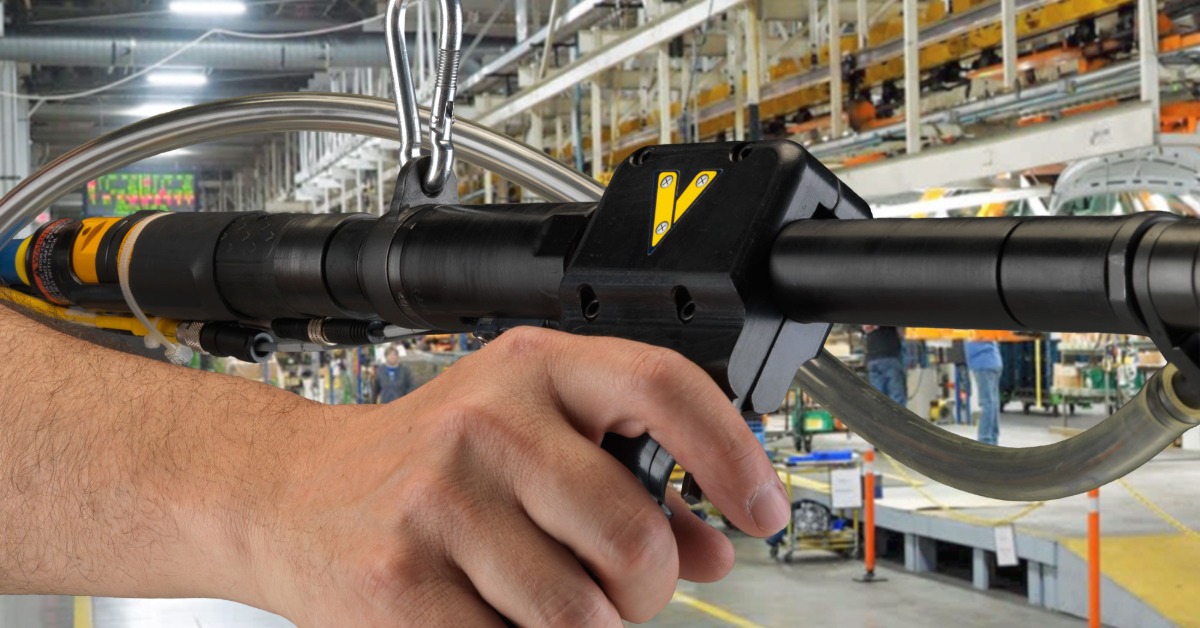
6. Supports Better Process Monitoring and Quality Control
Modern manufacturing increasingly relies on production data to identify problems and maintain quality standards. Precision screwdriving systems can provide valuable information about individual fastening operations. Depending on system capabilities, manufacturers can monitor torque measurements and cycle completion results. This information helps engineering teams evaluate process performance.
Process monitoring becomes particularly useful when manufacturers need detailed quality documentation. Certain applications require verification that critical fasteners meet established assembly specifications. Compatible screwdriving controllers can record fastening results and communicate with manufacturing control systems.
Production teams can also use fastening data to identify recurring problems. Unexpected torque variations may indicate component inconsistencies or changes in assembly conditions. By reviewing these patterns, engineers can make informed adjustments before minor issues develop into larger production challenges.
7. Provides Long-Term Cost Savings and Scalability
Investing in precision screwdriving equipment requires manufacturers to consider both immediate expenses and long-term operational benefits. Initial equipment costs represent only one part of the financial picture. Production efficiency, reduced rework, and improved product quality can influence the overall return on investment. Manufacturers should evaluate these factors when selecting fastening solutions.
Precision systems can help facilities increase production capacity without proportionally increasing manual fastening labor. As production requirements change, configurable equipment may accommodate different screw sizes or assembly arrangements. However, engineers must verify equipment compatibility before introducing new fastening applications.
Scalability also supports future manufacturing improvements. Facilities can integrate suitable fastening systems into larger automation projects as their operational needs evolve. This flexibility helps manufacturers develop production strategies that support sustainable growth rather than relying on frequent equipment replacements.
Improve Manufacturing Efficiency With Precision Screwdriving
The benefits of precision screwdriving in production extend beyond faster assembly times. Manufacturers can improve fastening accuracy, maintain consistent product quality, and support long-term operational growth. Investing in reliable screwdriving technology helps production teams overcome common assembly challenges and create more efficient manufacturing processes.
Visumatic Industrial Products specializes in designing and manufacturing automated fastener feeding and driving systems for demanding industrial applications. With extensive engineering expertise, in-house manufacturing capabilities, and innovative fastening solutions,
We help manufacturers improve assembly accuracy and streamline production. Contact Visumatic Industrial Products today to discuss your fastening requirements and find the right automated screwdriving solution for your operation.
 How To Choose the Right Fastening System
 How Vision-Guided Robots Improve Assembly Accuracy
 7 Automation Trends in Industrial Assembly Systems
 Handheld vs Robotic Screwdriving Systems Explained
 9 Key Advantages of Robotic Fastening Systems