
Manufacturers cannot afford fastening processes that limit production speed, consistency, or flexibility as assembly demands increase. Choosing the right screwdriving approach can influence everything from operator efficiency and cycle times to fastening accuracy and future automation capabilities.
Comparing handheld and robotic screwdriving systems helps engineering teams determine how much automation their application needs. By understanding the strengths and limitations of each approach, manufacturers can make a more informed equipment decision that supports immediate production goals and long-term growth.
How Handheld Screwdriving Systems Work
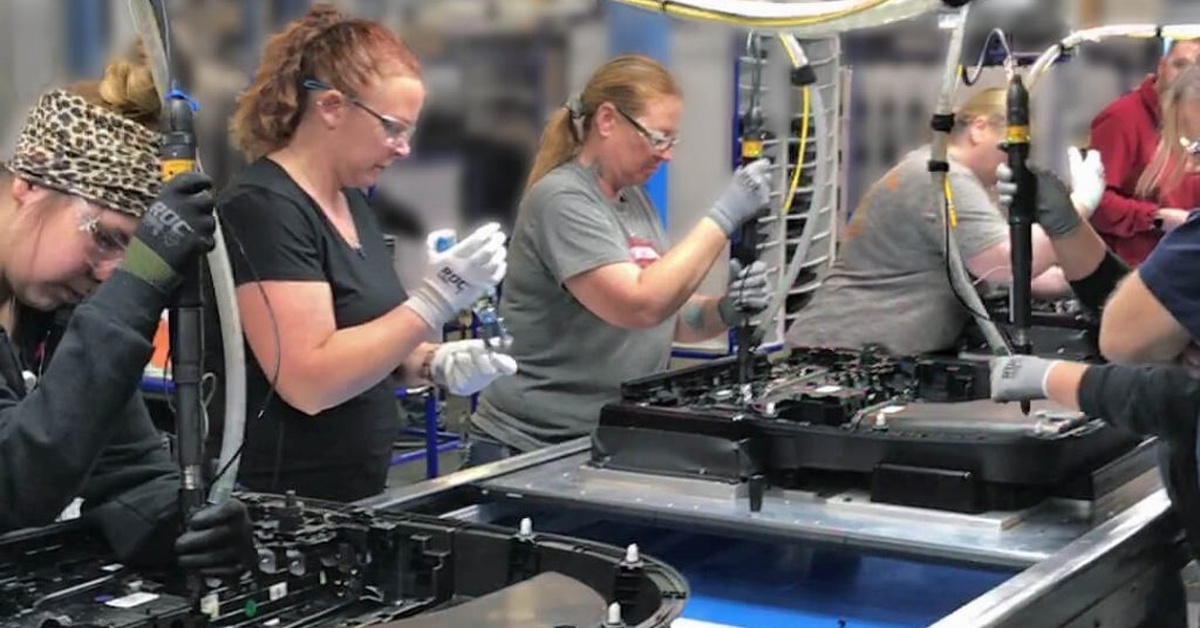
Handheld screwdriving systems combine operator control with equipment that enables faster, more consistent fastening. An operator positions the tool at the fastening location, engages the driver, and moves to the next screw location after completing the fastening cycle. This approach keeps human judgment involved while reducing repetitive tasks that can slow conventional manual assembly.
Manufacturers often choose handheld equipment when operators need flexibility across changing products or assembly positions. Workers can adjust the tool location naturally when components have variable orientations or difficult-to-reach fastening points.
Operators also retain control when assemblies require visual alignment before each fastening cycle. These characteristics make handheld systems practical for production environments that require automation assistance without removing operator involvement.
How Robotic Screwdriving Systems Operate
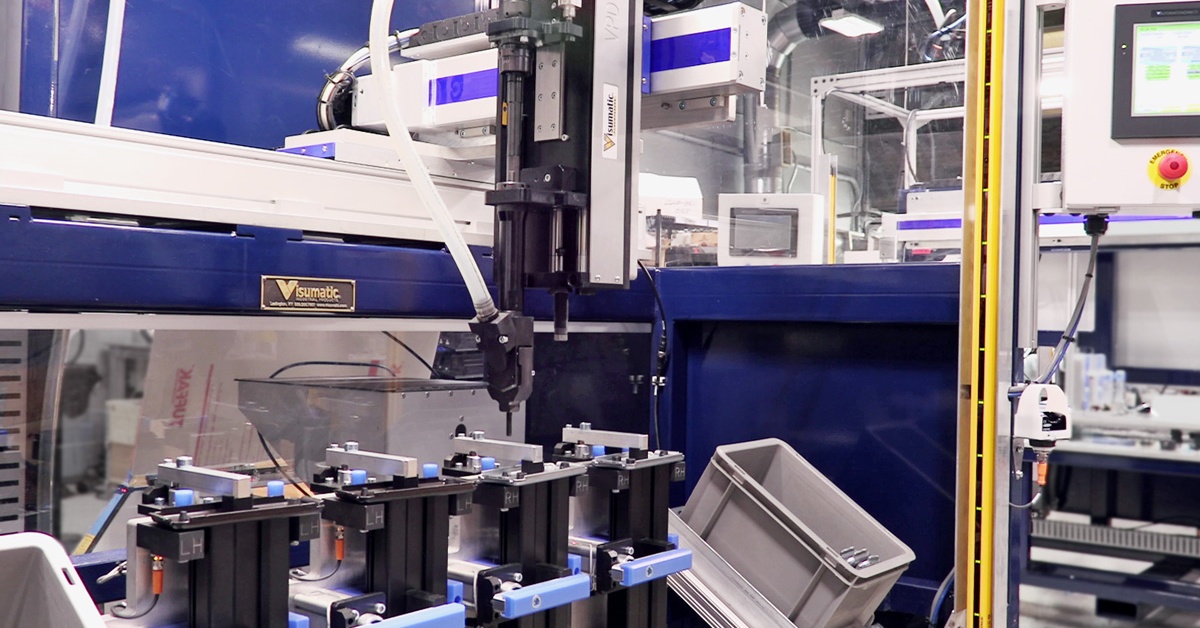
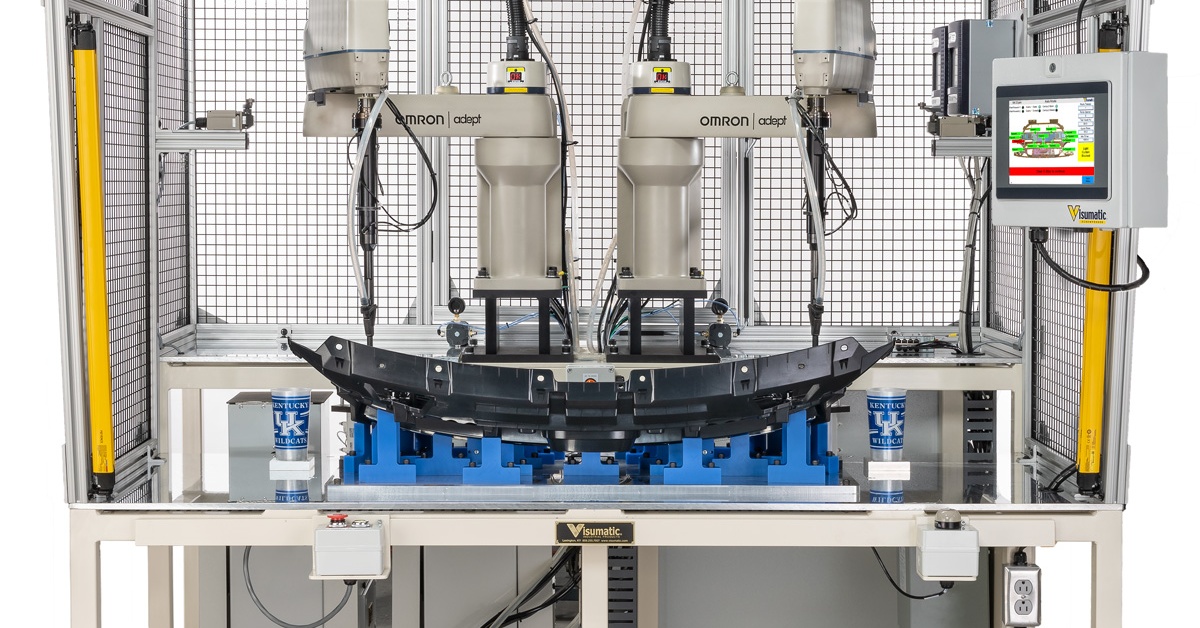
Robotic screwdriving systems automate tool movement and fastening according to programmed production sequences. A robot moves the screwdriver to specified fastening locations while the feeding equipment supplies fasteners for each cycle.
This arrangement lets manufacturers perform repeated fastening patterns without an operator manually positioning the driver. Engineers can integrate the system with fixtures, controls, and other assembly equipment to create a coordinated production process.
Robotic equipment excels when manufacturers need repeatable movement across clearly defined fastening locations. Programmed positioning helps the system approach each location consistently during every production cycle. Manufacturers can also coordinate fastening operations with upstream and downstream automation to maintain predictable workflow.
Comparing Production Speed and Throughput
Production volume often plays a major role when selecting between handheld and robotic screwdriving equipment. Handheld systems can accelerate assembly because operators no longer need to manually pick up and position every screw before driving it. However, operator movement still influences total cycle time, while robotic systems reduce time variation by following programmed motions throughout production.
Manufacturers running high-volume assembly operations can benefit from the predictable cycle times that robotic equipment supports. Automated movement lets the system transition between fastening locations without relying on an operator’s physical pace or repeated repositioning.
For lower production volumes, handheld equipment may provide sufficient speed without requiring a fully automated robotic work cell. Engineers should compare required throughput against equipment utilization to determine which approach fits the production target.
Evaluating Fastening Accuracy and Repeatability
Fastening accuracy involves more than simply placing a screw in the correct location. Manufacturers must also consider fastening parameters and consistent engagement with the assembly. Handheld equipment depends partly on operator technique because the worker controls tool positioning at each fastening point.
Experienced operators can maintain strong results, but repetitive motion and changing working conditions may introduce variation during long production runs. Robotic systems use programmed positioning to approach fastening locations with consistent movements throughout each cycle.
Proper fixturing helps maintain the relationship between the driver, fastener, and assembled component during production. This repeatability becomes increasingly important when manufacturers work with assemblies that require precise fastening locations or closely controlled processes.
Considering Ergonomics and Operator Responsibilities
Repeated screwdriving can require operators to perform the same hand, wrist, and arm movements throughout a shift. Handheld automation reduces some repetitive handling because the equipment can deliver fasteners directly to the driving tool. Systems such as autofeed screwdrivers can eliminate the need to reach for individual screws between fastening cycles.
Robotic systems shift more repetitive positioning and driving from the operator to automated equipment. Workers can instead focus on responsibilities such as loading components, overseeing production, or supporting other assembly processes depending on workcell design.
This change can prove useful when a fastening operation requires frequent movements or difficult positioning throughout the shift. Manufacturers should evaluate ergonomics alongside productivity because an efficient assembly process must also support practical operator interaction.
Understanding Flexibility and Product Changes
Handheld screwdriving offers useful flexibility when product designs, fastening locations, or production requirements change frequently. Operators can move between accessible fastening points without requiring programmed robotic paths for every motion.
That flexibility suits mixed production environments where manufacturers assemble different products or configurations in the same area. Engineering teams can introduce assisted fastening while preserving the operator’s ability to respond to normal assembly variations.
Robotic screwdriving can also accommodate product changes when engineers design flexibility into the automation strategy. Teams can modify robot programs, fastening sequences, or fixtures to support compatible product variations. Manufacturers expecting future product changes should consider those requirements early so the system can support evolving production demands.
Key Factors When Choosing a Screwdriving Approach
No single screwdriving configuration fits every manufacturing application because production requirements vary widely between facilities and products. Engineering teams should examine how the fastening operation functions today while also considering future volume and automation plans.
Key considerations include:
- Production volume: Higher throughput requirements can strengthen the case for robotic automation.
- Part consistency: Repeatable component presentation helps robotic equipment maintain predictable positioning.
- Fastening locations: Complex or variable positions may favor operator-guided flexibility in certain applications.
- Labor involvement: Manufacturers should determine how much operator interaction the fastening process requires.
- Future production needs: Expected product and volume changes can influence the appropriate automation strategy.
These considerations help manufacturers compare equipment based on the realities of the assembly process. A handheld system can provide a practical balance of automation and operator control when production requires flexibility or direct human positioning.
Robotic screwdriving can provide greater process consistency and predictable movement when fastening patterns and production requirements support automation. Careful application analysis gives engineering teams a stronger foundation for selecting equipment that fits both current operations and future manufacturing goals.
Choosing Between Handheld and Robotic Screwdriving Systems
The best screwdriving approach starts with a clear understanding of the product, fastener, required cycle time, and assembly environment. Manufacturers should select the approach that delivers the right combination of productivity and integration for the specific assembly process.
Visumatic Industrial Products develops automatic fastening equipment for manufacturers and machine builders facing a wide range of assembly challenges. Our solutions support applications that require automatic screw and nut feeding as well as clips, bolts, pins, and specialty fasteners.
Engineering teams can evaluate handheld and robotic screwing system options based on their production requirements, rather than forcing an application into a predetermined automation format.
The right system creates recognizable manufacturing value by matching fastening technology with the actual demands of the assembly operation. Contact Visumatic to learn more about our automated manufacturing equipment and enhance your manufacturing efficiency today.
 7 Automation Trends in Industrial Assembly Systems
  9 Key Advantages of Robotic Fastening Systems
  How Automatic Screwdrivers Improve Accuracy
  How Automation Reduces Labor Costs in Manufacturing
  9 Benefits of Automation in Fastener Installation