
Industrial assembly has always demanded a careful balance between speed and accuracy. Today, manufacturers face additional pressure as product designs change faster and customers expect consistent quality across every production run. Automation gives manufacturers more control over these variables while creating assembly environments that can adapt to changing requirements.
The latest automation trends go beyond simply replacing manual tasks with machines. Modern systems connect equipment, collect production data, verify critical processes, and help engineering teams decide faster. For manufacturers planning on upgrading existing equipment, these seven automation trends in industrial assembly systems show where industrial automation is headed.
1. Smarter Robotic Assembly Systems
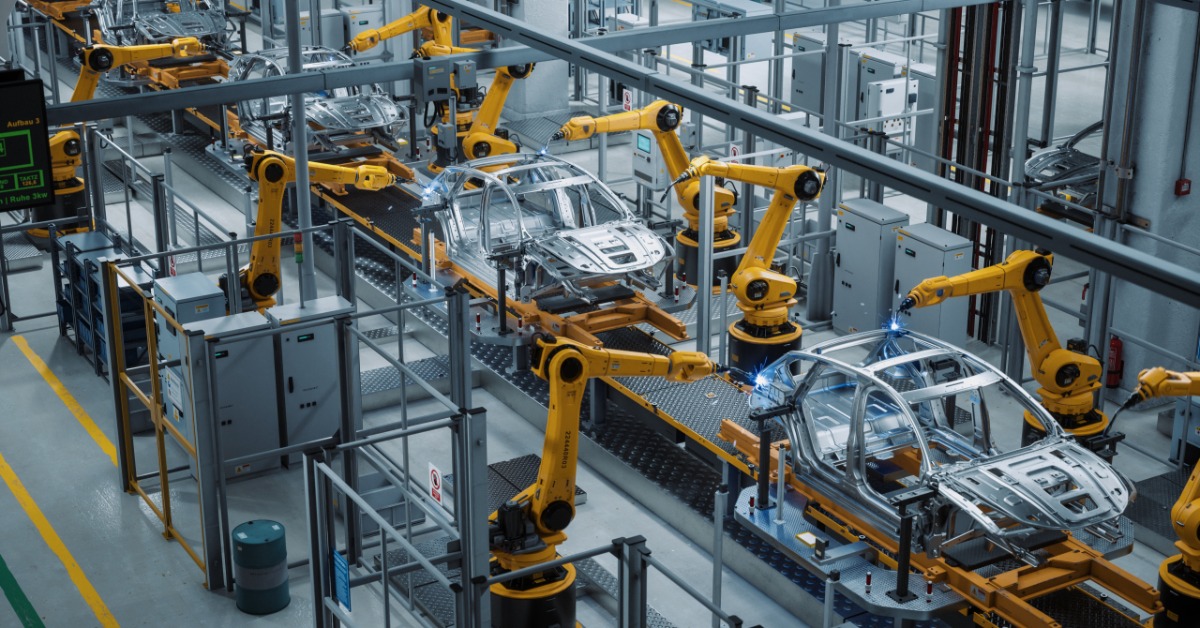
Industrial robots have supported manufacturing for decades, but modern robotic systems offer greater flexibility than earlier generations. Manufacturers can program robots to handle precise fastening, component placement, and other repetitive assembly operations.
Robotic assembly becomes especially valuable when manufacturers need repeatability across high production volumes. A robot follows programmed motion and process parameters consistently throughout a shift, reducing variations associated with repetitive manual work. Engineers can also integrate robots with fastening equipment and other tooling to create a coordinated assembly cell.
Manufacturers increasingly choose robotic solutions that support future production changes instead of designing equipment around one permanent task. Flexible tooling and programmable controls can help a system accommodate new assemblies without requiring an entirely new production line.
2. Greater Use of Machine Vision
Machine vision continues to change how automated assembly equipment identifies parts and confirms process conditions. Cameras and vision software can locate components and guide robotic movement. These capabilities give automated equipment another source of information before it completes an assembly step.
Vision-guided automation can prove particularly useful when components do not arrive in exactly the same position every cycle. Instead of relying entirely on rigid mechanical positioning, the system can use visual information to compensate for acceptable variation. This approach can simplify certain applications while supporting greater process flexibility.
Manufacturers can also use vision systems as part of their quality strategy. A camera can confirm that a component appears in the correct location before the equipment moves to the next operation. When engineers combine vision with process controls, they gain another way to prevent errors from traveling farther down the line.
3. Connected Assembly Equipment and Production Dat
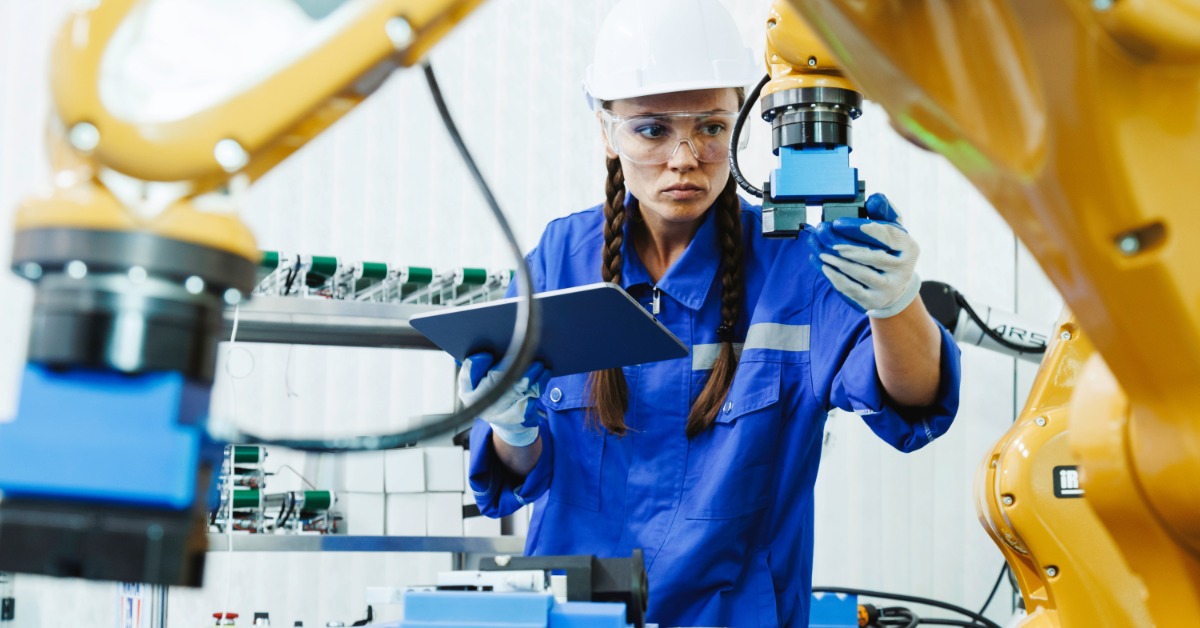
Modern assembly systems increasingly generate useful information about production performance. Controllers can capture cycle information, fastening results, faults, and other process data. Engineering teams can then use those records to identify recurring problems and evaluate how equipment performs under actual production conditions.
Connected equipment also helps manufacturers move from assumptions toward measurable process improvement. Instead of relying only on occasional observations, teams can examine patterns across shifts or production runs. That visibility can reveal small inefficiencies that might otherwise remain hidden until they create a larger problem.
Useful production information can help teams evaluate:
- Cycle times and changes in throughput
- Fastening results and process consistency
- Equipment faults or recurring stoppages
- Production counts across scheduled runs
- Patterns that may indicate maintenance needs
The goal does not involve collecting data simply because modern equipment makes collection possible. Manufacturers gain the most value when they identify useful metrics and connect those measurements to specific production goals.
4. Flexible Fastener Feeding and Driving
Fastening remains critical in countless industrial assembly processes, making fastening automation an important area for continued development. Modern systems can feed and present screws and other components to support repeatable assembly.
Engineers increasingly want fastening equipment that fits into larger automated processes rather than operating as an isolated machine. That requirement encourages closer integration among feeders, drivers, controls, robots, and fixtures. A properly engineered system can coordinate each operation so the fastener reaches the correct position when the assembly process needs it.
This trend also reflects the growing variety of products manufacturers need to assemble. Engineers may need solutions for unusual components or automated fasteners that require application-specific handling. Flexible fastening technology gives machine builders more options when developing equipment around demanding product designs.
5. More Emphasis on Process Verification
Speed alone cannot define a successful assembly system. Manufacturers also need confidence that equipment completed each critical operation according to established requirements. Process verification technologies help engineering teams confirm results during production instead of relying entirely on post-assembly inspections.
Fastening applications illustrate the importance of this trend. A system can monitor relevant process information and determine whether an operation falls within established parameters. When something deviates from those requirements, controls can trigger an appropriate response instead of letting the process continue unnoticed.
6. Automation Designed Around Workforce Needs
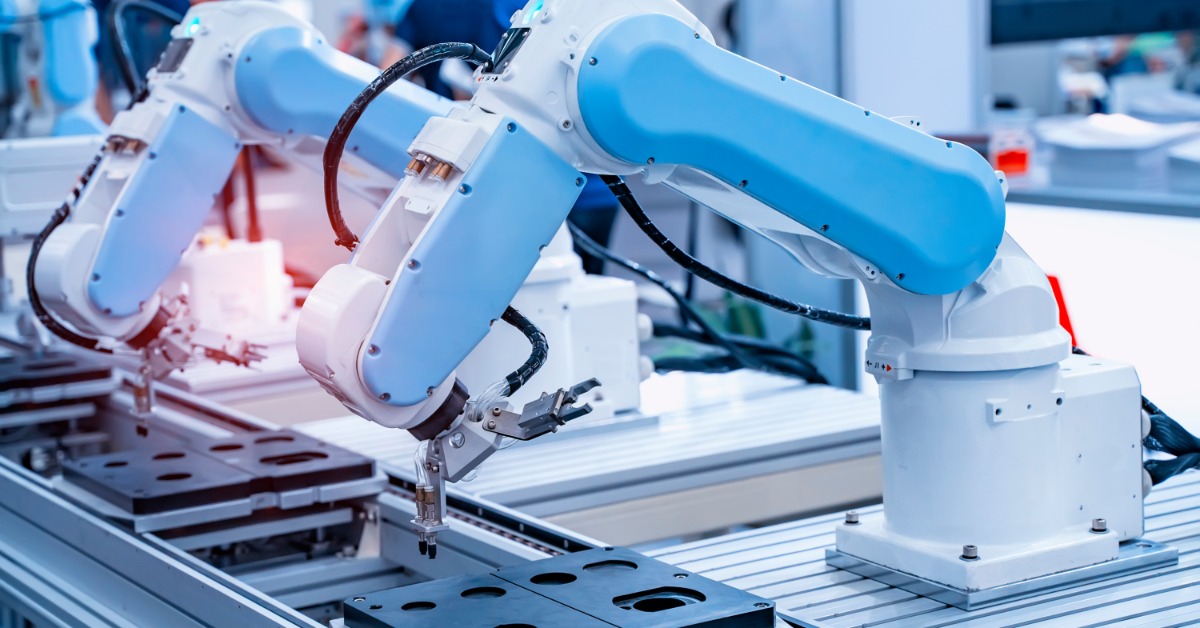
Automation does not only address production speed. Manufacturers also use it to reduce the physical burden associated with repetitive assembly work and make better use of skilled employees. Tasks that require workers to repeat the same motion hundreds of times can create fatigue and limit how effectively companies allocate technical talent.
Automated equipment can handle highly repetitive operations while employees focus on setup, troubleshooting, quality oversight, and other responsibilities that require judgment. This arrangement can help manufacturers use experienced personnel where their knowledge creates greater value. It also reduces dependence on maintaining large numbers of workers for monotonous assembly tasks.
The strongest automation strategies examine how people and equipment interact, rather than treating them as competing resources. Controls should remain accessible, changeovers should make practical sense, and operators need clear information when a system requires attention. Thoughtful engineering helps automation support the workforce instead of creating unnecessary complexity.
7. Modular Automation That Supports Future Growth
Manufacturers cannot always predict what an assembly line will need several years from now. New products, customer requirements, volume changes, and design revisions can quickly alter production priorities. As a result, many engineering teams value automation that allows future modification.
Modular system design can make expansion or reconfiguration more manageable. A manufacturer might start with a particular feeding and driving application, then integrate additional robotics or process controls as requirements evolve. Designing for expansion from the start can reduce disruption from later equipment changes.
Machine builders also benefit from automation components that integrate cleanly into larger systems. Compatibility and thoughtful system architecture become increasingly important as assembly operations connect more technologies.
What These Trends Mean for Industrial Assembly
These automation trends in industrial assembly lines share one common direction: manufacturers want greater control over assembly without sacrificing flexibility. The right automation mix depends on the assembly, production volume, fastener requirements, and long-term manufacturing goals.
A successful automated system solves various manufacturing problems and fits naturally into the larger production environment. Careful application engineering remains essential because even advanced equipment must match real components and operating conditions.
Visumatic Industrial Products specializes in automated fastener feeding and driving equipment for manufacturers performing assembly work. For manufacturers and machine builders planning their next automation project, we can help engineer a fastening solution that supports reliable production. Contact us today to request a quote and learn more about our fastening systems.
 Handheld vs Robotic Screwdriving Systems Explained
  9 Key Advantages of Robotic Fastening Systems
  How Automatic Screwdrivers Improve Accuracy
  How Automation Reduces Labor Costs in Manufacturing
  9 Benefits of Automation in Fastener Installation