
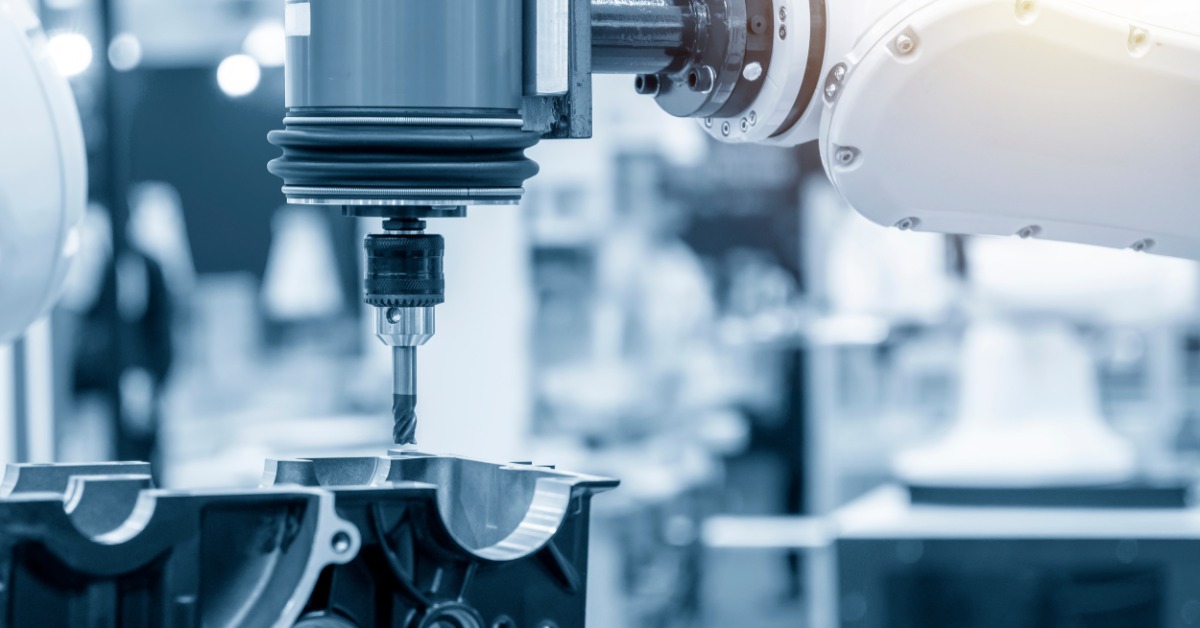
Manufacturing teams face constant pressure to increase production without sacrificing the precision that keeps assemblies consistent. Even the smallest positioning errors can affect fastening quality and create unnecessary rework. They may also disrupt an otherwise efficient production process.
Vision-guided robots improve assembly accuracy and address these challenges by helping automated equipment identify parts and adjust movements based on real conditions. This combination of machine vision and robotic control supports faster, more flexible production as manufacturing requirements become increasingly complex.
How Vision Guidance Changes Robotic Assembly
Traditional robotic systems often rely on programmed coordinates that tell equipment exactly where to move during each cycle. That process works well when every component arrives in a highly repeatable position. However, real production environments often introduce slight variations that traditional robotics cannot adjust to.
Vision-guided robots use cameras, sensors, and processing software to identify these differences before completing an assembly task. The robot can then adjust its movement based on the component’s actual location and orientation. This capability makes robotic assembly less dependent on perfectly fixed positioning.
Instead of expecting every workpiece to appear at the same coordinate, the system uses visual information to determine where the target is. Manufacturers can use this adaptability to maintain precise operations when parts shift slightly between cycles.
Better Fastener Alignment Reduces Assembly Errors
Fasteners require accurate positioning before the driving process begins. A screwdriver that approaches a hole at the wrong angle can create cross-threading, incomplete engagement, or component damage. Vision guidance helps the robotic system locate fastening points before the driver contacts the assembly.
Accurate positioning creates a more controlled path between fastener presentation and final installation. Manufacturers can also use vision data to verify whether the workpiece sits correctly before fastening starts. When the system detects positioning differences, the robot can adjust its movement rather than blindly following fixed coordinates.
Better alignment also supports more consistent fastening results throughout long production runs. Manufacturers gain tighter process control without depending entirely on highly restrictive mechanical positioning.
Precise Positioning Supports Consistent Screwdriving
Automated screwdriving depends on coordination between fastener feeding, driver positioning, and controlled installation. A vision-guided robot strengthens that process by confirming where the fastening point sits before starting the driving sequence. Accurate information allows the driver to approach the assembly along the intended path.
Manufacturers can pair robotic positioning with a screw dispenser and automated feeding equipment to maintain an efficient fastener supply. Each component of the system contributes to a controlled fastening cycle. Reliable coordination becomes particularly important as manufacturers increase production speeds.
Automated Inspection Adds Another Accuracy Check
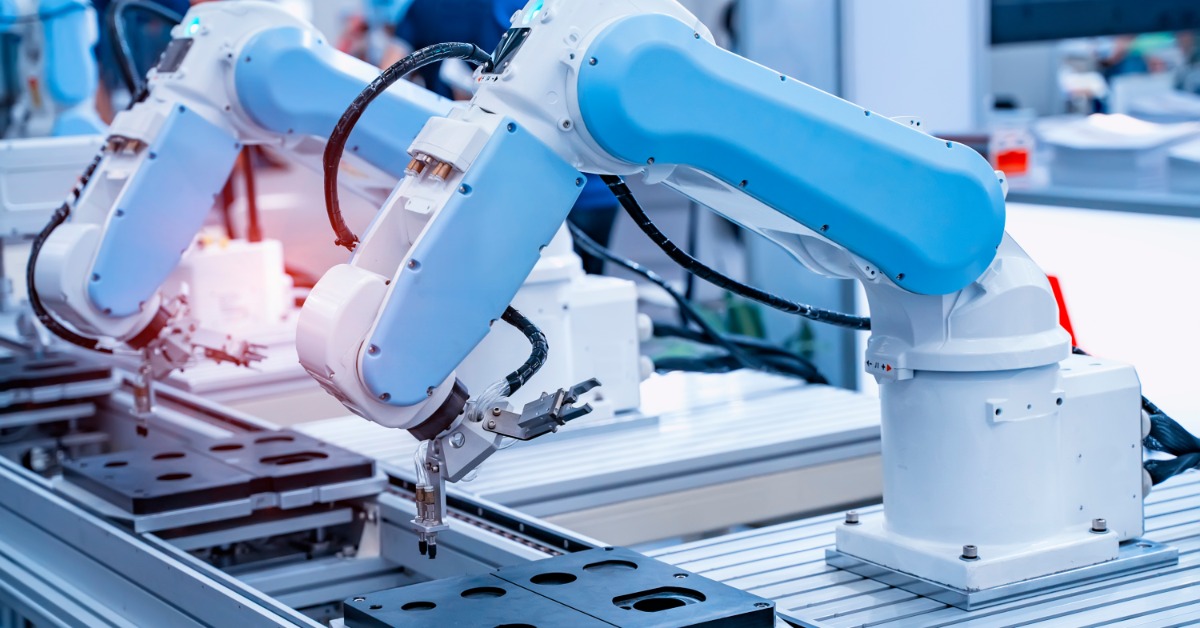
Machine vision can contribute more than positioning information during robotic assembly. Manufacturers can configure vision systems to inspect specific conditions before or after a robot completes a fastening task. This additional verification provides useful information about the assembly process without depending entirely on manual inspection.
Engineers can determine which visual characteristics matter most for each application. The system can then evaluate those conditions during production and flag results that fall outside programmed requirements. Common inspection targets may include:
- Incorrect component orientation before assembly begins
- Missing or improperly positioned parts at the workstation
- Misalignment between a fastener and its intended location
- Unexpected variations outside programmed parameters
- Visible conditions that require additional inspection
These checks help manufacturers identify problems closer to where they occur, so production teams can address abnormal conditions before affected assemblies move farther through manufacturing. Earlier detection can reduce the labor and materials required to correct errors.
Vision Guidance Supports Greater Production Flexibility
Modern manufacturers often produce several product configurations on the same equipment. Fixed automation can make changeovers difficult when each product places fastening locations in different positions. Vision-guided robots offer greater flexibility because software can help identify product features and determine the appropriate movement.
Engineers can adapt the assembly process without rebuilding every mechanical element around one permanent product configuration. This flexibility can prove valuable when manufacturers introduce product updates or manage several variations within one facility. Robotic equipment can respond to changes in component location or orientation.
Engineering teams can create programs around specific products while retaining the same core robotic platform. Manufacturers can then adapt automation as production requirements change.
Accurate Robotics Can Reduce Rework and Scrap
Assembly errors cost more than the time required to correct them. A poorly installed fastener can damage threads, deform components, or create problems that workers only notice during later inspection. Those mistakes become more expensive after an assembly progresses through additional manufacturing steps.
Vision-guided robotics helps reduce these risks by improving positional accuracy before fastening begins. Preventing an error usually requires fewer resources than correcting one after further production. More accurate robotic movement can therefore improve first-pass assembly results.
Reducing rework also helps manufacturers protect valuable production capacity. Employees spend less time correcting preventable fastening problems and can focus on productive work. Lower scrap rates can control material costs when assemblies contain expensive machined or engineered components.
Better Process Data Helps Engineers Improve Automation
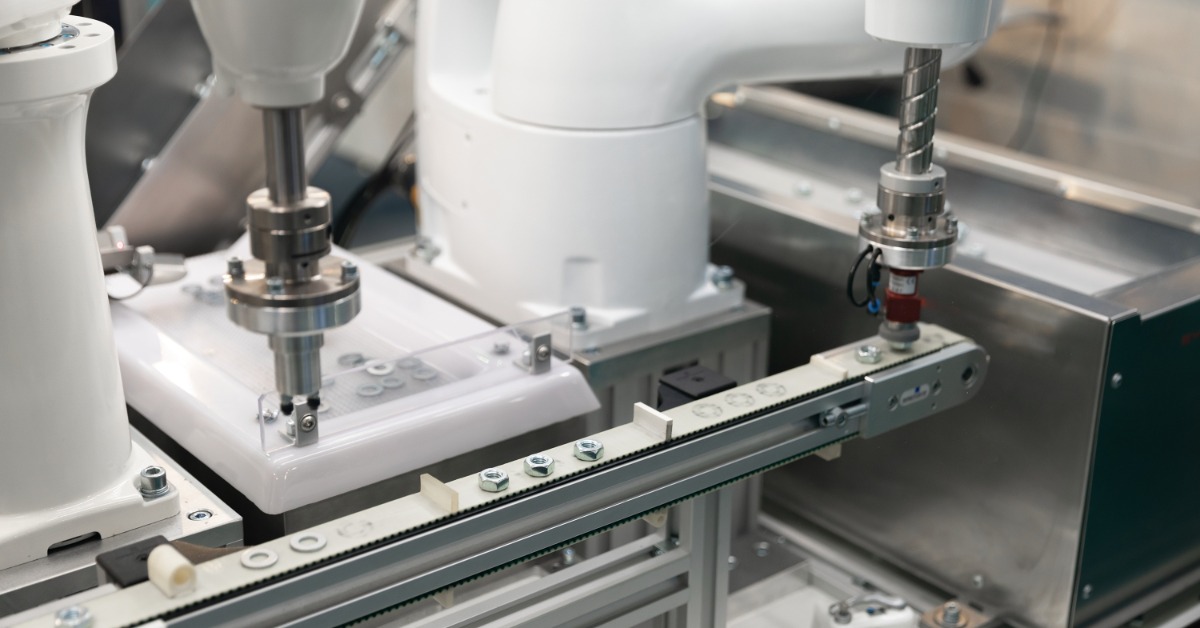
Advanced robotic systems can provide engineers with valuable information about what happens during production. Vision data can help teams identify recurring positioning variations or unusual component conditions. Engineers can use these observations to refine robotic programs and other parts of the assembly process.
For example, recurring location changes may reveal opportunities to improve upstream handling or fixturing. Engineers can examine actual production patterns instead of relying solely on assumptions about where problems originate. This visibility supports more informed process improvement.
Data also helps manufacturers investigate problems systematically when production results begin to change. Engineering teams can review measurable information from automated processes alongside other production records.
Integrating Vision With the Complete Fastening Process
A vision-guided robot performs best when manufacturers treat it as one part of a complete assembly solution. Fastener feeding, driver control, tooling, fixturing, robot motion, and vision programming must work together. Weakness in one area can limit the performance of otherwise advanced automation.
Engineering teams should evaluate fasteners, component geometry, cycle time, and acceptable tolerances before selecting an automation approach. They should also consider how components enter the work area and how much positioning variation the system must accommodate. Careful application engineering creates a stronger foundation for reliable operation.
Visumatic designs automated fastener feeding and driving equipment for manufacturing companies with demanding assembly requirements. In-house design, fabrication, quality control, and controlled testing support solutions developed around specific fastening challenges. Our approach helps manufacturers integrate fastening technology into broader automated assembly systems.
Building More Accurate Assembly Operations
Vision-guided robots combine robotic speed with greater assembly accuracy that can adapt to actual production conditions. Their capabilities become increasingly valuable as manufacturers pursue higher throughput and tighter production requirements.
Manufacturers considering robotic fastening should evaluate more than robot specifications alone. Feeding equipment, driver technology, controls, tooling, vision systems, and application engineering all influence the final result. Successful automation requires these elements to function as one coordinated system.
At Visumatic, we develop automated fastening solutions around the requirements of individual manufacturing applications. Our thorough testing helps ensure equipment can perform reliably before it reaches the production floor.
Manufacturers gain a fastening solution designed around real assembly requirements rather than a generic approach. Contact us today to learn more about our robotic systems and how they can work for your business.
 7 Automation Trends in Industrial Assembly Systems
 Handheld vs Robotic Screwdriving Systems Explained
 9 Key Advantages of Robotic Fastening Systems
 How Automatic Screwdrivers Improve Accuracy
 How Automation Reduces Labor Costs in Manufacturing