
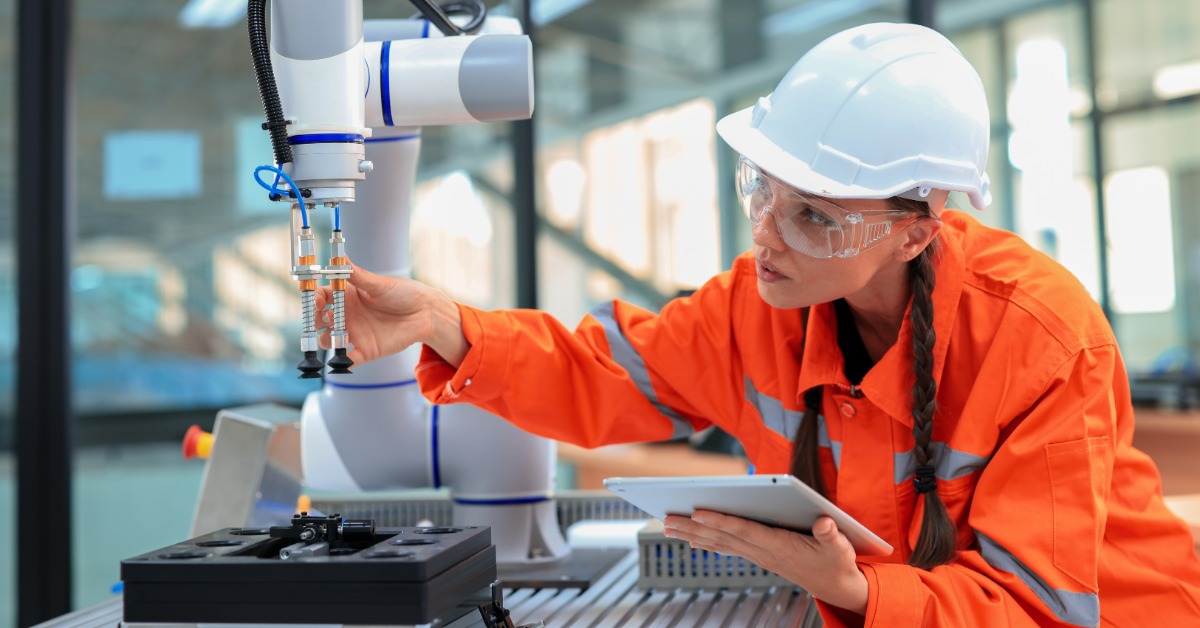
Fastening might represent only one part of an assembly process, but it can have an outsized effect on production speed and product quality. The wrong system can create bottlenecks, increase operator fatigue, or introduce inconsistencies that become expensive once production volumes rise.
Choosing the right fastening system requires more than matching a screwdriver to a screw. Manufacturers need to consider the fastener, product geometry, production goals, operator involvement, and future automation plans. A carefully engineered solution brings these variables together and creates a process that supports reliable production.
Start With the Assembly Requirements
Every fastening project should begin with the assembly itself. Engineers need to understand how components fit together, where each fastener enters the product, and what conditions could interfere with fastening. Even a seemingly simple screwdriving operation can become complicated when access remains limited, or components vary slightly.
Production volume also influences the best approach. A lower-volume operation with frequent product changes may benefit from a different system than a dedicated high-volume assembly line. Manufacturers should define their current production requirements before evaluating equipment to avoid buying more automation than necessary or selecting a system they will quickly outgrow.
Evaluate the Fastener Carefully
Fastener characteristics play a major role in system design. Size and geometry can affect how reliably equipment drives each part. Specialty components such as clips, bolts, and nuts can introduce additional engineering challenges.
Engineers should also consider fastener supply consistency. Small variations between batches can affect feeding performance when tolerances become tight. A fastening specialist can evaluate representative samples early in the project and identify potential concerns before equipment design begins, reducing the risk of unexpected production problems later.
Manufacturers that use automatic fasteners and related feeding technologies also need to consider how each component moves through the system. A fastener that works perfectly during manual assembly may require specialized handling when production moves toward automation.
Match Automation to Production Goals
Automation works best when manufacturers connect it to a specific production objective rather than treating it as the goal itself. Some operations need faster cycle times, while others want greater fastening consistency. Defining that objective helps engineers select an appropriate level of automation.
A handheld system can automate feeding while letting an operator position the tool. Fixtured equipment can control more of the fastening process, while robotic systems can support complex motion and multiple fastening locations. The right choice depends on the application, not a universal preference for one technology.
Before selecting a system, manufacturers should consider:
- Required production rate and target cycle time
- Number and location of fastening points
- Available floor space and equipment footprint
- Operator involvement in the assembly process
- Product variation and anticipated future changes
- Quality requirements for each fastening operation
These factors create a clearer engineering picture and help prevent decisions based solely on equipment cost or maximum production speed.
Consider Torque and Fastening Quality
A fastening system needs to do more than insert a screw quickly. It must drive each fastener to the joint’s requirements. Too little torque can leave components loose, while excessive torque can damage threads or compromise the finished assembly.
Manufacturers should determine the acceptable fastening parameters before choosing equipment. Some applications require precise torque control, while others may need additional process monitoring to verify successful fastening. Engineers can then select tooling and drive technology that support those quality expectations without adding unnecessary complexity.
Consistent fastening also helps manufacturers control downstream problems. When every joint receives the intended fastening result, teams don’t have to investigate loose hardware and inconsistent assemblies. That consistency becomes increasingly valuable as production volumes increase.
Account for Ergonomics and Operator Interaction
Manufacturers should consider the people who will interact with the system every shift. Repetitive manual screw handling can consume time and strain operators, especially when assemblies require numerous fastening points. Poor tool positioning can create additional ergonomic challenges.
A well-designed fastening system can reduce unnecessary reaching, twisting, and manual fastener handling. Handheld automatic feed equipment, for example, can deliver fasteners directly to the driving position so operators can concentrate on assembly rather than repeatedly picking up individual screws.
Plan for Part Presentation and Access
Fastener accessibility often determines whether a proposed system will perform effectively. Deep recesses, narrow openings, nearby components, and unusual driving angles can limit the tools that engineers can use. Product geometry therefore needs careful evaluation before the equipment design reaches an advanced stage.
The way operators or machines present the assembly also matters. A fastening system needs a stable, repeatable relationship to the fastening location. Fixtures can control product position, while robotic systems may offer greater flexibility when products have multiple fastening points or require more complex movement.
Early testing can reveal access problems that drawings alone may not expose. Physical samples let engineers check clearances, confirm tooling dimensions, and test fastener behavior under realistic assembly conditions.
Think Beyond Today’s Production Volume
A fastening system should solve the current application without creating unnecessary limitations for future production. Manufacturers often introduce new product variants, increase output, or modify assembly requirements as customer demand changes. Equipment that offers some flexibility can make those transitions easier to manage.
That does not mean every manufacturer needs the most sophisticated system available. Instead, engineering teams should discuss realistic future requirements during system selection. Controls, tooling, fixtures, and equipment layouts may offer opportunities for expansion without forcing a complete replacement later.
Look Closely at Testing and Integration
A fastening system does not operate in isolation. It must work with every other element in the production environment. Manufacturers should evaluate those integration requirements early, so every component works together as intended.
Testing also deserves serious attention. Controlled testing with actual production fasteners and representative assemblies can expose feeding problems, access limitations, or cycle-time concerns before installation. Engineers can make adjustments while changes remain easier and less expensive to implement.
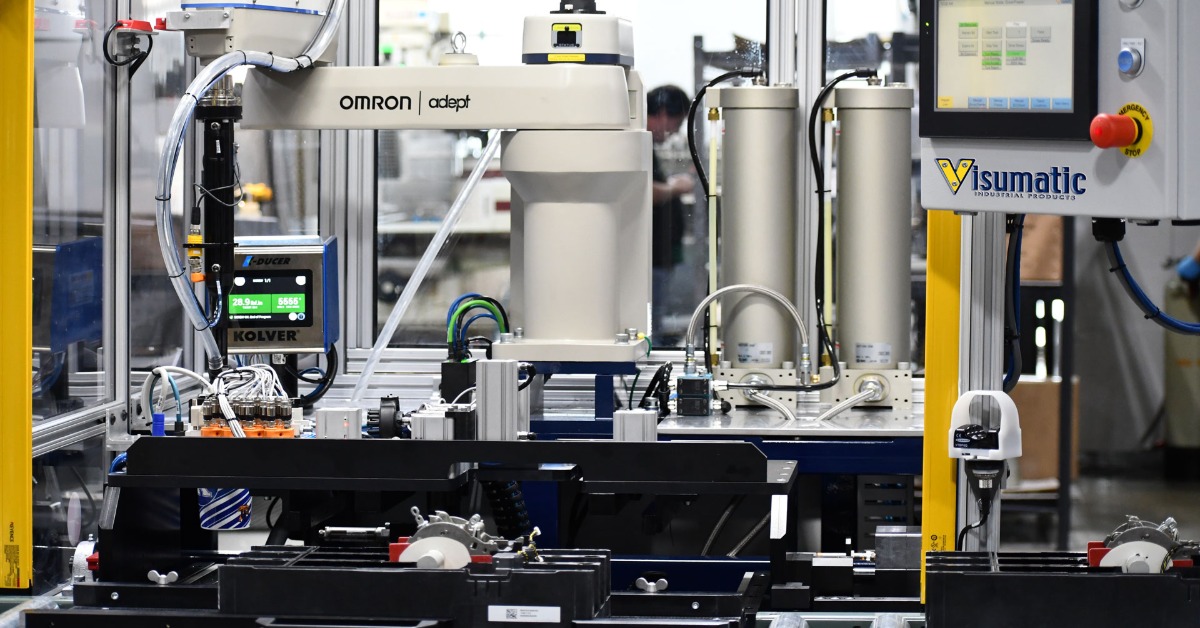
Visumatic designs, fabricates, and performs quality control in-house while conducting controlled testing on each unit before shipment. This approach gives manufacturers a fastening solution developed around the actual application rather than equipment selected from a generic configuration and expected to fit afterward.
Choose Engineering Support, Not Just Equipment
The best fastening system comes from understanding the complete manufacturing challenge. Equipment specifications matter, but engineering experience can determine how successfully the system handles the fastener and performs over time.
Visumatic specializes in automated fastener feeding for manufacturing assembly applications. We offer a wide range of solutions to improve your facility’s efficiency, including automated screw and nut driving. That range lets manufacturers tackle unusual fastening challenges with application-specific engineering rather than forcing the process into a standard solution.
Choosing the right fastening system ultimately means balancing production requirements, fastening quality, automation level, ergonomics, and future flexibility. When manufacturers evaluate those factors together, they can build an assembly process that operates more consistently and supports long-term production goals.
For manufacturers facing a new assembly challenge or looking to improve an existing fastening process, Visumatic can help engineer a system around the application. Contact us today to learn more about our specialized equipment and how it can meet your manufacturing needs.
 7 Benefits of Precision Screwdriving in Production
 How Vision-Guided Robots Improve Assembly Accuracy
 7 Automation Trends in Industrial Assembly Systems
 Handheld vs Robotic Screwdriving Systems Explained
 9 Key Advantages of Robotic Fastening Systems