
Manufacturing depends on precision at every stage of assembly. Even small inconsistencies in fastening can affect product quality, production speed, warranty claims, and customer satisfaction.
Companies that prioritize consistent fastening performance often turn to automation to eliminate unnecessary variation from manual processes. Understanding how automatic screwdrivers improve accuracy helps manufacturers build more reliable products while increasing overall production efficiency.
Why Fastening Accuracy Matters
Every assembly operation relies on secure and repeatable fastening. Loose screws can create vibration, premature wear, or complete product failure after installation. Overtightened fasteners may strip threads, crack plastic housings, or damage expensive components.
Manufacturers cannot afford inconsistent fastening results across thousands of production cycles. Accurate fastening protects product performance while reducing costly rework and quality inspections. Consistency also strengthens customer confidence because every completed assembly meets the same engineering specifications.
Consistent Torque Delivers Repeatable Results
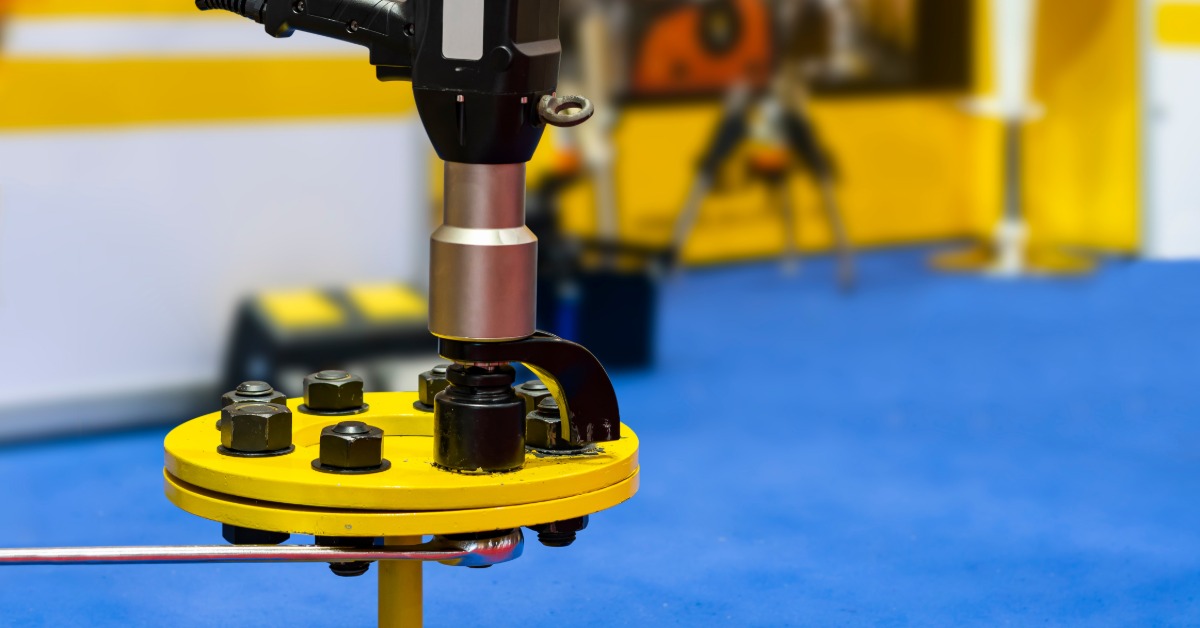
One of the greatest advantages of automatic screwdrivers involves precise torque control. Each fastener receives the exact programmed torque, regardless of production volume or operator experience. That consistency eliminates much of the variation found during manual assembly operations.
Repeatable torque improves mechanical integrity across every completed product. Engineers can validate fastening performance because every cycle follows identical programmed parameters. Reliable torque control also supports compliance with demanding manufacturing standards in automotive, electronics, aerospace, and medical industries.
Reduced Human Error Improves Product Quality
Manual fastening introduces unavoidable inconsistencies throughout production. Fatigue, distraction, changing hand pressure, and repetitive motion all influence fastening quality during long production shifts. Even experienced operators cannot maintain identical performance across thousands of fastening cycles.
Automatic equipment removes many variables that reduce assembly accuracy. Programmed fastening sequences ensure each screw reaches the correct depth, angle, and torque before the next cycle begins. Manufacturers gain greater confidence because production quality depends on engineered process control rather than individual technique.
Several important improvements contribute to better assembly quality.
- Consistent screw positioning throughout production
- Accurate torque application on every fastening cycle
- Controlled screw depth for sensitive assemblies
- Reduced cross-threading during installation
- Improved traceability for quality documentation
These improvements reduce product variation while supporting continuous production without sacrificing precision.
Precise Screw Positioning Prevents Misalignment
Fastener alignment affects much more than appearance. Poor screw placement can damage threaded holes, weaken assemblies, or prevent proper component alignment before final installation. Minor positioning errors often lead to costly downstream quality issues.
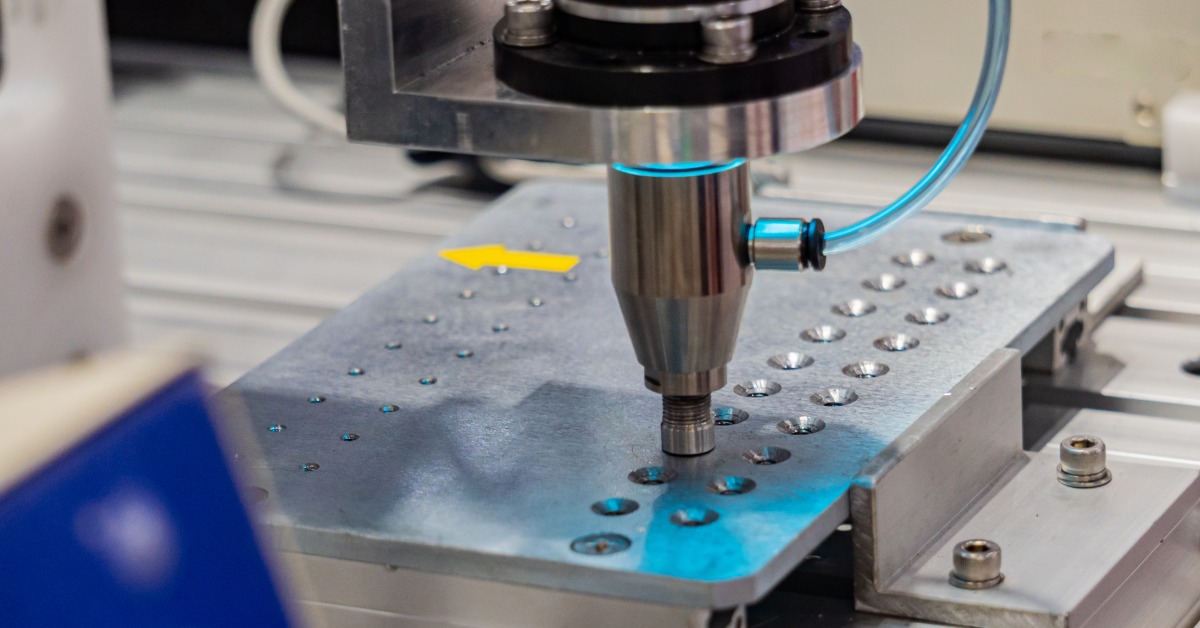
Automatic screwdrivers position fasteners with exceptional repeatability before installation begins. Controlled motion keeps screws aligned with the intended fastening location throughout the driving cycle. Proper positioning protects surrounding components while improving overall assembly accuracy.
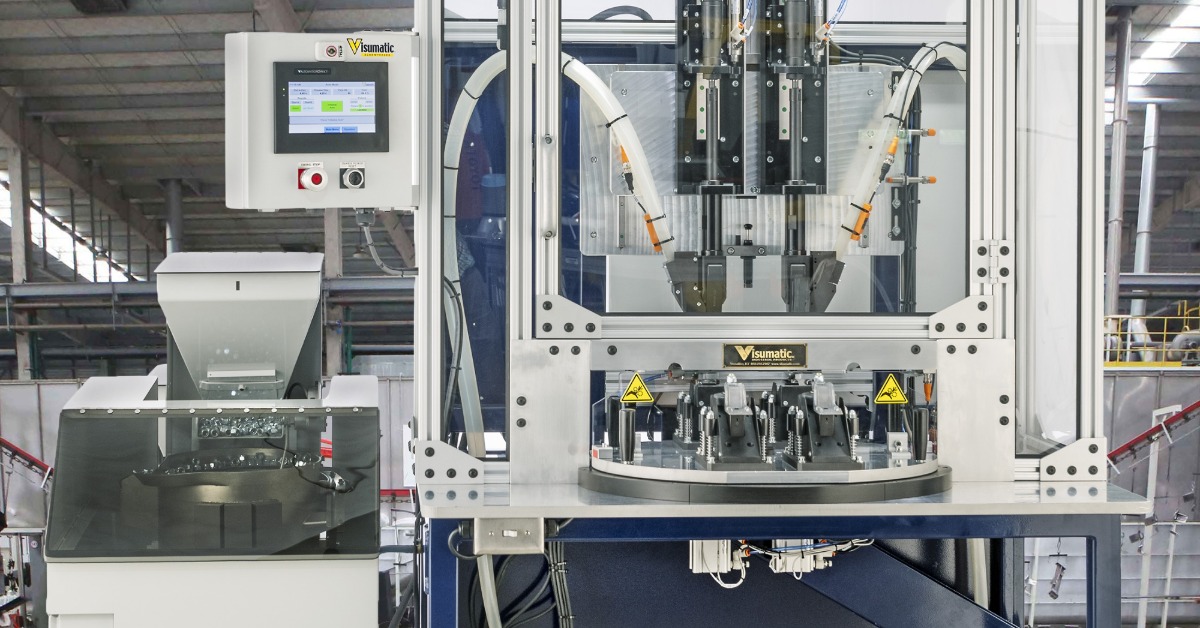
Many manufacturers also integrate automated screw driving systems into larger assembly cells when consistent positioning and synchronized fastening become critical production requirements.
Programmable Controls Eliminate Process Variation
Modern manufacturing values repeatability above nearly every other production metric. Automatic screwdrivers allow engineers to create fastening recipes tailored to each product configuration. Operators simply select the appropriate program rather than adjusting tools manually throughout production.
Programmable controls reduce setup mistakes between product changes. Production teams can store multiple fastening profiles for different screw sizes, materials, and torque requirements. Standardized programming supports faster changeovers while maintaining identical fastening quality from one production run to the next.
Faster Production Without Sacrificing Precision
Higher production speeds often raise concerns about declining quality. Automatic screwdrivers solve that challenge by maintaining precise fastening performance even during rapid production cycles. Faster throughput no longer requires compromising assembly accuracy.
Machine-building integrators frequently design production systems that balance speed with precision. Automated fastening equipment performs repetitive fastening operations at consistent cycle times while maintaining programmed torque and positioning values. Manufacturers increase production capacity without introducing additional quality risks.
Integration Creates Smarter Manufacturing Systems
Automatic screwdrivers become even more valuable after integration into complete manufacturing systems. Engineers often combine fastening equipment with robotics and programmable controls. Every connected component contributes to a more reliable production process.
Integrated systems continuously verify fastening performance throughout production. Sensors confirm successful screw presentation, proper installation, and completed fastening cycles before products move to the next station. Real-time monitoring helps manufacturers identify potential issues before defective assemblies continue through production.
Data Collection Strengthens Quality Assurance
Manufacturers increasingly depend on production data to improve operational performance. Many automatic screwdrivers record torque values, fastening times, cycle completion, and other process information during every assembly operation. Engineers can analyze that information to identify trends before quality problems develop.
Detailed production records also support traceability requirements across highly regulated industries. Historical fastening data allows manufacturers to verify process compliance for specific production batches. Better documentation simplifies quality audits while strengthening long-term process improvement efforts.
Long-Term Accuracy Supports Lower Manufacturing Costs
Accurate fastening produces financial benefits beyond immediate product quality. Fewer assembly defects reduce warranty expenses, product returns, and rework-related labor. Reliable fastening also decreases material waste because damaged components require replacement less frequently.
Consistent automation improves workforce efficiency by enabling skilled employees to focus on higher-value manufacturing tasks rather than repetitive fastening operations. Stable production processes simplify scheduling while increasing predictable output. Manufacturers achieve stronger profitability because improved accuracy reduces avoidable production costs throughout the entire operation.
Choosing the Right Automatic Screwdriver Solution
Every manufacturing application presents unique fastening challenges. Screw size, material composition, production volume, accessibility, and required torque all influence equipment selection. Manufacturers benefit from evaluating complete production requirements before choosing a fastening solution.
Experienced engineering partners design fastening equipment around specific assembly objectives rather than offering generic solutions. Custom-engineered systems improve long-term reliability because every component supports the intended manufacturing process. Careful system design helps organizations maximize production accuracy while preparing for future growth and evolving product demands.
Build Greater Accuracy With the Right Fastening Technology
Manufacturers continue searching for practical ways to improve quality while increasing production efficiency. Automatic screwdrivers address both goals by delivering improved accuracy, programmable controls, and dependable performance throughout every production cycle. These advantages help manufacturers reduce variability while producing consistently high-quality assemblies.
Visumatic Industrial Products designs and builds advanced automatic fastener feeding and driving equipment for manufacturers facing complex assembly challenges. Every system undergoes in-house design, fabrication, and exhaustive testing before shipment to ensure dependable performance in demanding production environments.
Manufacturers seeking greater fastening accuracy can rely on Visumatic’s engineering expertise to create customized solutions that improve productivity and deliver lasting value. Contact us today to request a quote and learn more about our automated screwdriving systems.
 Handheld vs Robotic Screwdriving Systems Explained
  9 Key Advantages of Robotic Fastening Systems
  How Automation Reduces Labor Costs in Manufacturing
  9 Benefits of Automation in Fastener Installation
  How Robotic Screwdriving Improves Assembly Speed