
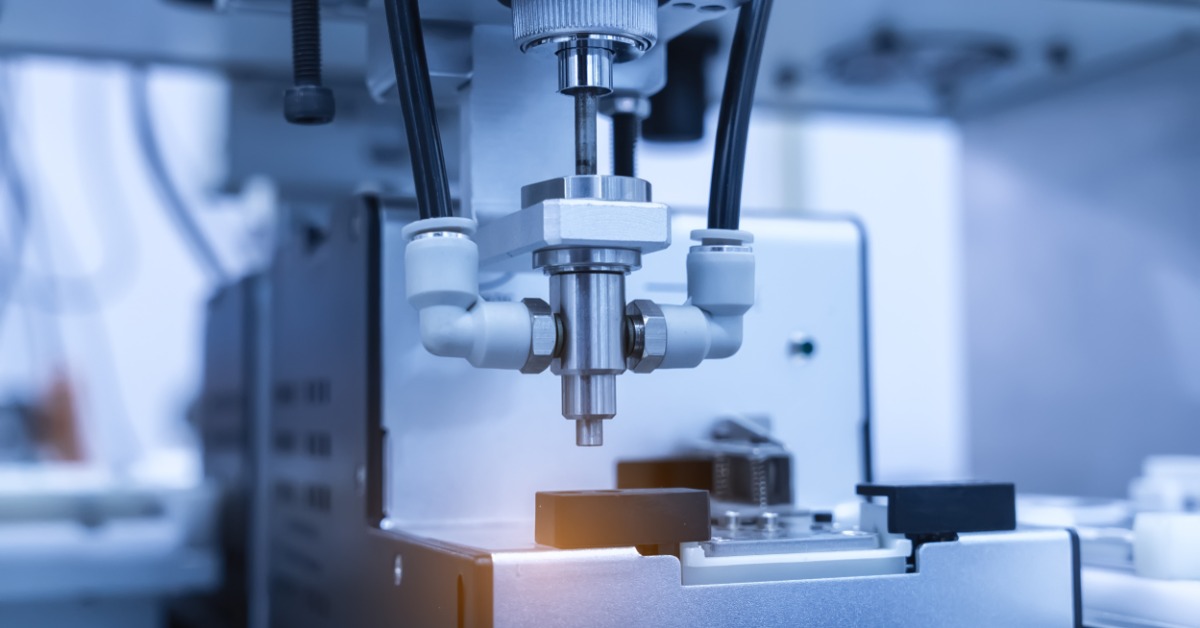
Manufacturers continue to face intense pressure to increase production without sacrificing quality. Robotic screwdriving improves assembly speed for teams, shortening cycle times and improving fastening consistency across every shift.
Modern production facilities now rely on advanced motion control, precision torque management, and integrated tooling to maintain output targets. Companies that invest in robotic screwdriving technology often achieve higher throughput and more predictable assembly performance.
Faster Cycle Times Through Precision Motion
Robotic screwdriving systems complete fastening sequences at controlled speeds and with repeatable motion in every production cycle. Operators no longer need to position handheld tools, manually align screws, or pause to correct inconsistent fastener placement.
Servo-driven robotics move directly between fastening points with programmed accuracy, reducing wasted motion throughout the assembly process. Faster transitions between screw locations allow manufacturers to increase daily production volume without expanding floor space.
Production teams also gain tighter control over timing because robotic systems follow the same sequence during every operation. Manual assembly methods often create variation when operators change pace or adjust movement patterns throughout the shift. Robotic motion programming eliminates unnecessary hesitation and keeps the assembly process running at a steady pace.
Reduced Human Fatigue on the Assembly Line
Manual screwdriving requires repetitive arm movements and sustained concentration during long production runs. Fatigue often slows workers during later shifts and increases the chance of fastening mistakes during repetitive tasks. Robotic screwdriving equipment handles repetitive fastening work while employees focus on inspection or quality management.
Assembly teams also benefit from safer working conditions when robotic systems manage repetitive fastening tasks. Repeated screwdriving motions can create strain injuries that reduce workforce efficiency and increase downtime across production departments.
Robotic integration lowers physical stress on employees and supports a more sustainable work environment. Manufacturers that reduce fatigue-related interruptions often maintain stronger production consistency throughout the day.
Improved Fastener Consistency Across Every Product
Fastener consistency directly affects product quality and customer satisfaction in nearly every manufacturing sector. Robotic screwdriving systems apply controlled torque to every fastening point during production. Manual assembly methods can produce uneven torque values during repetitive tasks. Robotic precision prevents under- and over-tightening, which can damage components or weaken assemblies.
Consistent fastening also reduces rework that slows production schedules and increases operational costs. Quality teams spend less time correcting loose screws, replacing damaged parts, or inspecting inconsistent assemblies after production. Reliable fastening performance allows manufacturers to move products through inspection and packaging more efficiently.
Seamless Integration With Modern Automation
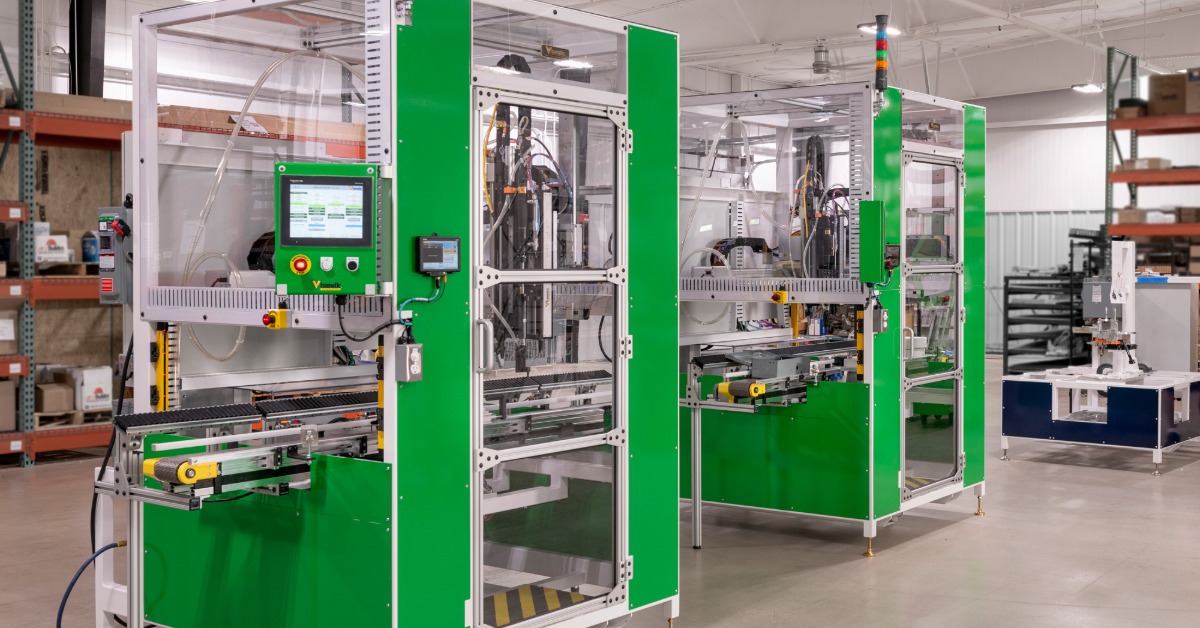
Many manufacturers now connect robotic screwdriving equipment with programmable control systems across the production floor. Integrated systems communicate in real time and coordinate movement between assembly stages without unnecessary delays.
Robotic screwdriving technology supports this approach by synchronizing fastening operations with upstream and downstream equipment. Connected production environments create smoother workflow transitions, increasing overall throughput.
Modern automation platforms also allow engineers to monitor performance data and adjust processes quickly when production requirements change. Real-time reporting helps manufacturers identify bottlenecks, optimize cycle times, and maintain accurate quality records during every shift.
Teams can modify fastening programs for new product configurations without extensive downtime or mechanical adjustments. Flexible integration gives manufacturers greater control over production speed and long-term scalability.
Better Screw Feeding and Part Handling
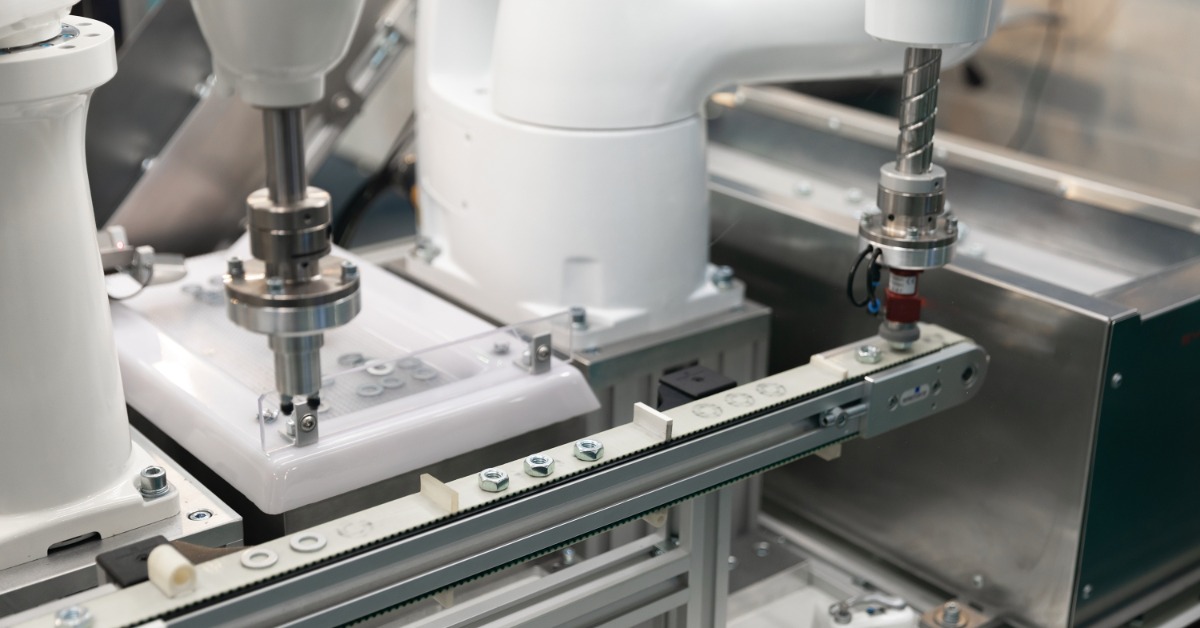
Efficient screw feeding plays a major role in assembly speed because production delays often begin with poor fastener presentation. Robotic screwdriving systems use advanced feeding technology that delivers screws directly to the driver without operator involvement.
Automated feeding eliminates time-consuming manual loading and prevents interruptions caused by dropped or misplaced fasteners. Faster screw delivery keeps assembly lines moving continuously during high-volume production.
Manufacturers also improve accuracy when automated fastening systems control part positioning and alignment during installation. Precise handling reduces the number of damaged components, which can significantly slow production. Reliable screw presentation helps robotic drivers maintain smooth operation across different product designs and assembly requirements.
Key Advantages Manufacturers Gain From Robotic Screwdriving
Manufacturers that adopt robotic screwdriving technology often see measurable improvements across several production areas. These improvements strengthen both operational efficiency and product quality during demanding manufacturing schedules.
Faster fastening processes also help facilities respond more effectively to changing customer demand and tighter delivery timelines. Many production teams choose robotic systems because they support long-term growth without creating unnecessary complexity.
- Shorter assembly cycle times across repetitive fastening operations
- More consistent torque control and screw placement accuracy
- Reduced operator fatigue and fewer repetitive motion injuries
- Lower rework rates caused by fastening inconsistencies
- Improved production tracking through real-time process monitoring
- Faster product changeovers for new assembly requirements
- Higher throughput without major increases in labor demands
Greater Flexibility for High-Mix Manufacturing
Manufacturers increasingly produce multiple product variations within the same facility to meet changing customer expectations. Robotic screwdriving systems meet this demand by allowing engineers to program different fastening sequences for different assemblies. Flexible tooling configurations allow production teams to switch between products with minimal interruption. Faster changeovers help manufacturers maintain high output while meeting diverse market requirements.
Traditional manual fastening methods often require additional training and setup time when production lines introduce new products. Robotic systems simplify these transitions through programmable motion paths and adjustable fastening parameters. Production teams can store multiple assembly profiles and activate them quickly during scheduled changeovers.
Stronger Quality Control Through Data Collection
Manufacturers need accurate process data to maintain quality standards and identify production issues before they create larger problems. Robotic screwdriving systems capture fastening information such as torque values, cycle completion, and fastening confirmation during every operation.
Production managers can review this data immediately and respond quickly when the system detects unusual patterns or process variation. Faster issue detection prevents extended downtime and reduces the spread of defective assemblies.
Detailed production records also support traceability requirements in industries that demand strict quality documentation. Robotic systems automatically create digital records without slowing production or increasing administrative work.
Why Manufacturers Choose Visumatic for Robotic Screwdriving Solutions
Manufacturers need fastening equipment that performs reliably under demanding production conditions and supports long-term operational goals. Visumatic designs robotic screwdriving solutions that help companies improve assembly speed and production consistency across a wide range of applications.
Through our testing, extensive engineering expertise, and application-specific system design, we allow manufacturers to solve complex fastening challenges with confidence. Production facilities also benefit from working with a team that understands the practical demands of modern assembly operations.
Visumatic supports manufacturers with reliable fastening systems that align with aggressive production goals. Engineering teams gain solutions that improve throughput while maintaining strict quality expectations across every product line. Companies that invest in advanced robotic screwdriving technology position themselves for stronger efficiency and more competitive manufacturing performance.
Shaping the Future of Modern Manufacturing
Robotic screwdriving continues to reshape modern manufacturing by delivering faster assembly speeds and greater fastening consistency. Manufacturers gain shorter cycle times and better production visibility through advanced robotic integration.
Facilities that adopt robotic fastening technology often create more stable production environments that support long-term growth and operational efficiency. Companies that prioritize precision, speed, and reliability can achieve significant competitive advantages through advanced robotic screwdriving solutions.
At Visumatic, we can help businesses find robotic screwdriving solutions that meet their production needs. Contact us today for a quote.
 Handheld vs Robotic Screwdriving Systems Explained
  9 Key Advantages of Robotic Fastening Systems
  How Automatic Screwdrivers Improve Accuracy
  How Automation Reduces Labor Costs in Manufacturing
  9 Benefits of Automation in Fastener Installation